

In this story
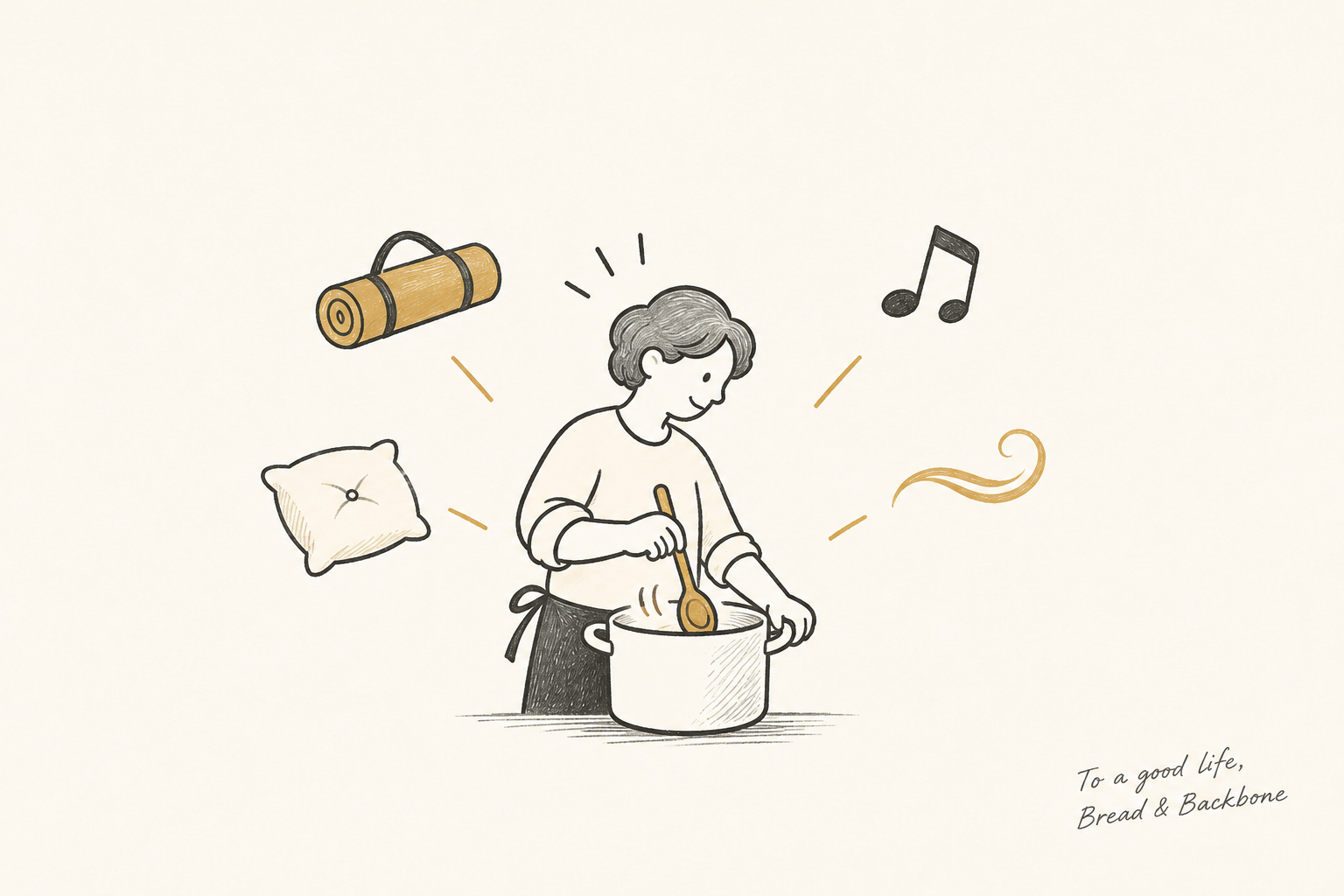
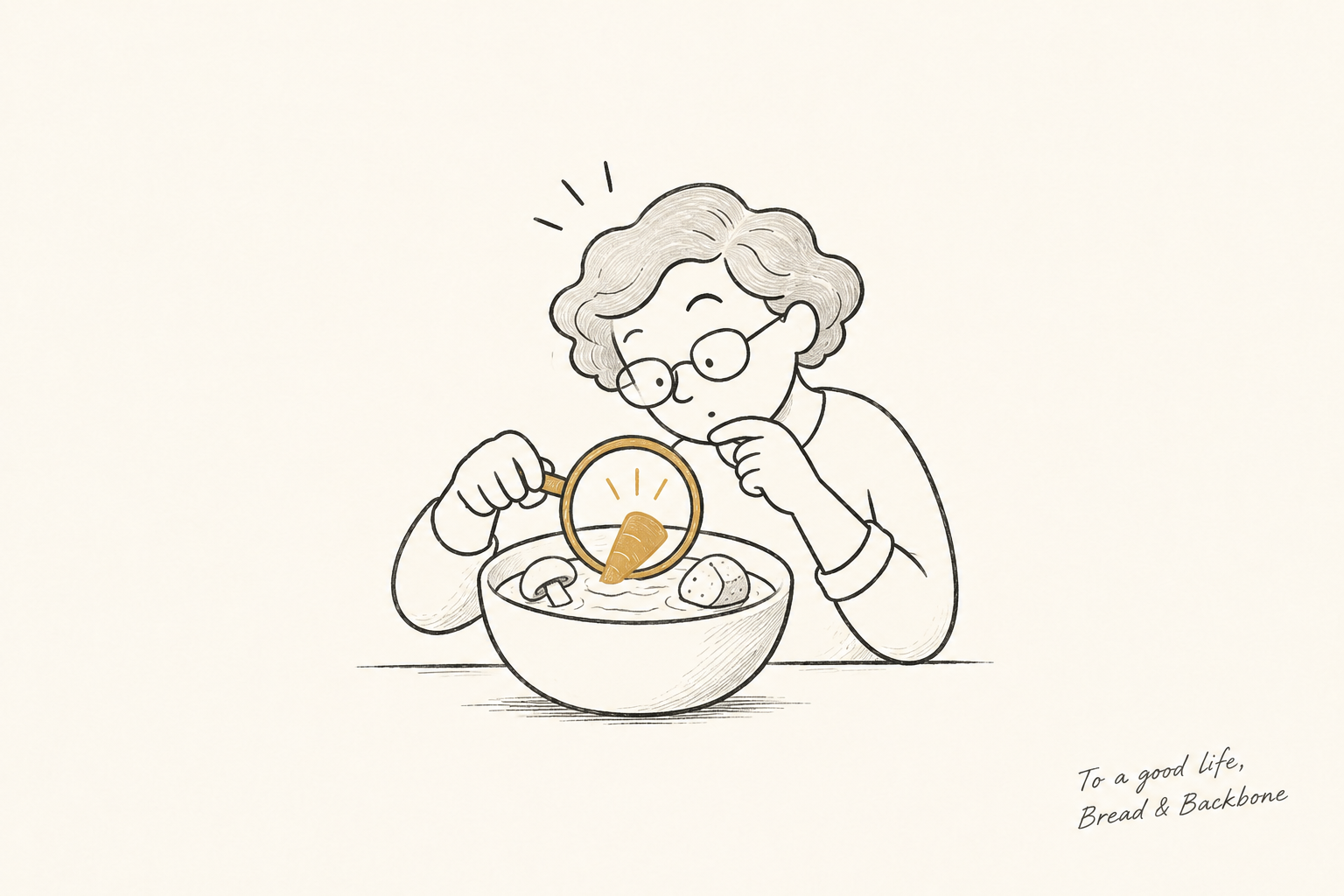
Imagine enjoying an excellent soup and then declaring that the carrot did it.
The carrot may have been wonderful. But there was also broth, seasoning, time, and someone paying attention to the pot. Giving one ingredient the whole review would be a little unfair to dinner.
Something similar happens when a health headline pulls one appealing ingredient out of a much larger program.
The program, not just the playlist
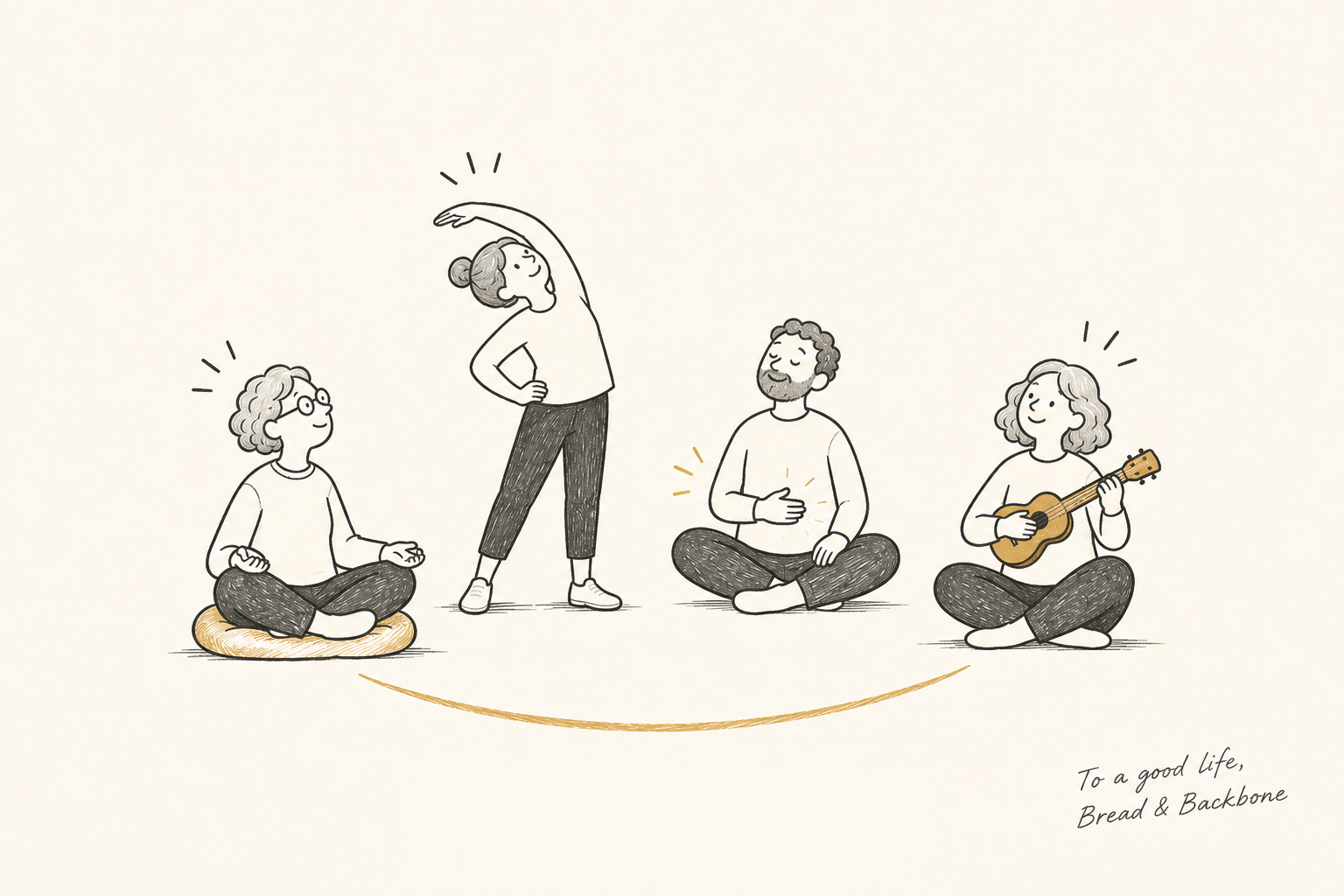
An October 2026 randomized trial assigned 80 university students to a 12-week program or a waitlist. The program combined progressive core exercise, diaphragmatic breathing, relaxation, and slow-tempo music, with physiotherapist supervision four times a week. Compared with the waitlist, it improved reported stress and state anxiety, plus some trunk-endurance measures. The back-muscle endurance test did not show a statistically clear advantage for the program. The people measuring outcomes knew which group participants were in. Read the PubMed abstract.
The important limitation is built into the comparison: the study did not test the same exercise program with and without music. It cannot isolate what music contributed. Nor does a student trial establish a treatment for an anxiety disorder. These findings concern a particular combined program and measured outcomes, not every calming playlist. Full study.
Why the comparison changes the meaning
When a study compares a full program with waiting, it can help answer whether the package is useful. It cannot necessarily answer whether a particular ingredient is necessary.
An active comparison might involve similar movement, supervision, and time, with only one ingredient changed. That asks a narrower question. Neither design is automatically pointless; they simply support different conclusions.
This distinction is useful far beyond music. It applies when a retreat includes meals, exercise, rest, company, and time away from work, or when a new routine changes five things at once. A better experience is real to the person having it. Explaining exactly what caused it requires another step.
What a reader can reasonably take away
You do not need to dismantle every enjoyable activity into a laboratory experiment. If a familiar movement class feels welcoming and you like its music, that can be enough reason to return.
But be more demanding when someone converts a pleasant experience into a specific medical promise or an expensive purchase.
Ask: What exactly was tested? Who took part? Compared with what? Was the benefit measured in a way that matters to me? And did the advertisement quietly drop three ingredients from the recipe?
Those questions are not cynicism. They are a way of keeping enthusiasm attached to the evidence.
A combination can still be worthwhile
The lesson is not that music is irrelevant or that a mixed program is somehow cheating. Real life is full of combinations. The lesson is to describe the result at the same level the study tested it.
For everyday exercise, choose an appropriate activity, a manageable level of effort, and an environment in which you can hear instructions and move safely. If music makes that experience more inviting, enjoy it. If stress or anxiety is persistent or disruptive, seek qualified care rather than treating a playlist as treatment.
Sometimes the whole experience is the point. We can appreciate the soup without awarding the carrot a medical degree.
A useful next question: which health headlines deserve a second look?